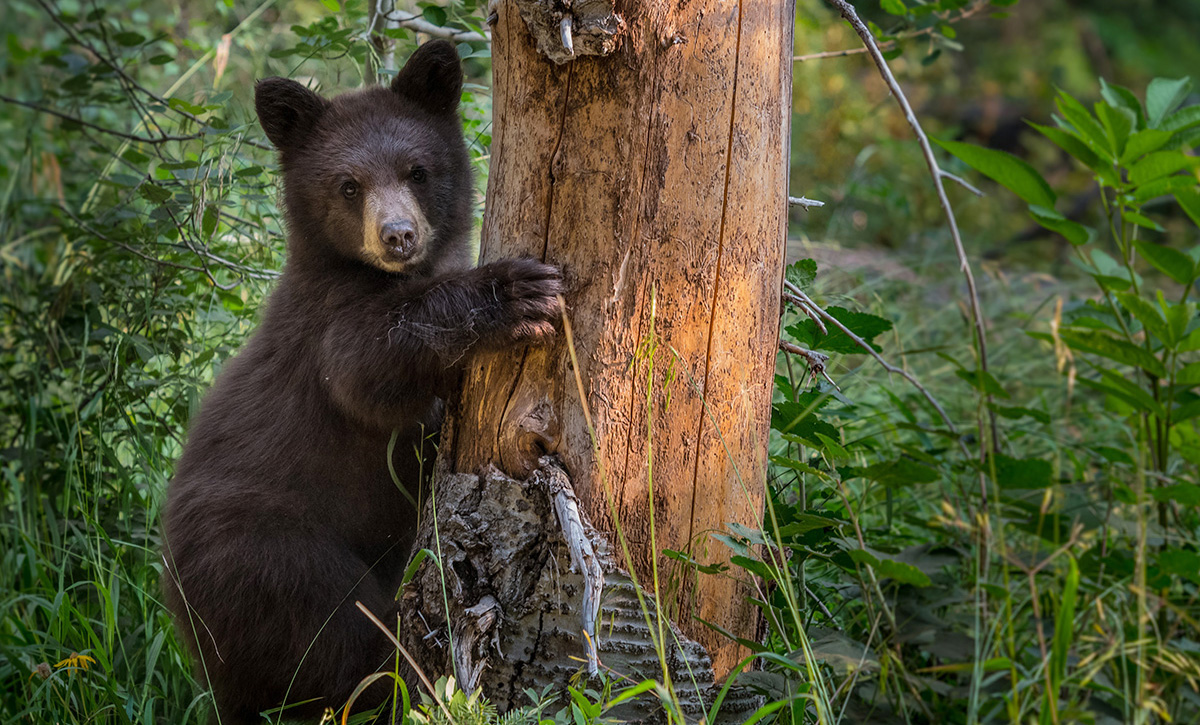
Local Everywhere you explore, the Greater Yellowstone Ecosystem teems with life, whether animal or plant. This is an expansive time of year to grow and flourish. Keep an eye out for the young animals and enjoy the bursting energy of summer. The idyllic weather of June made for an explosion of wildflowers! The month started with warm temperatures … [Read more...] about June Nature News: Everywhere you explore, the Greater Yellowstone Ecosystem teems with life
Nature News
May Nature News: Moose calves, bison calves and Grizzly cubs, oh my!
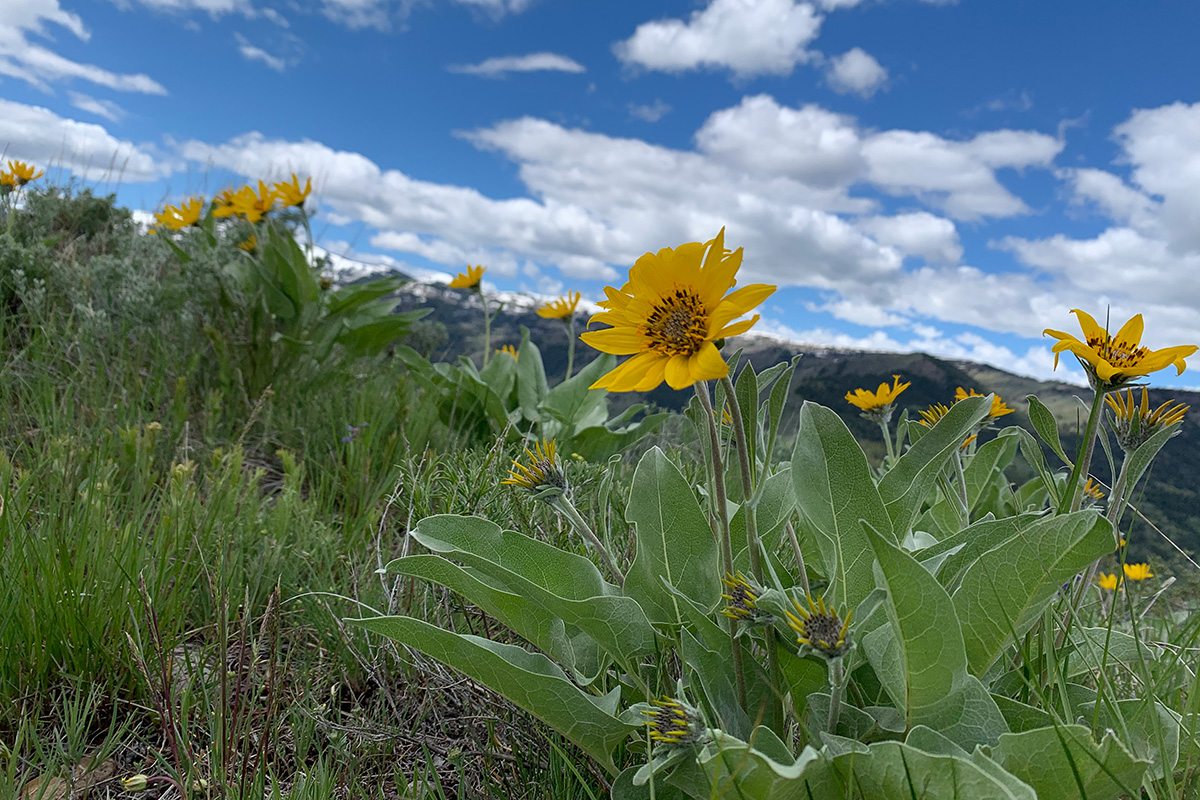
Local Wildlife May started with a whisper of winter and ended with the brilliance of spring — from brown dried vegetation to vibrant green leaves and the dance of color on the hillsides. Bears emerged from dens and the infamous Grizzly 399 surfaced and greeted onlookers with four new cubs. She's quite the matriarch! See Grizzly 399 with her cubs … [Read more...] about May Nature News: Moose calves, bison calves and Grizzly cubs, oh my!
April Nature News: Transition to spring!
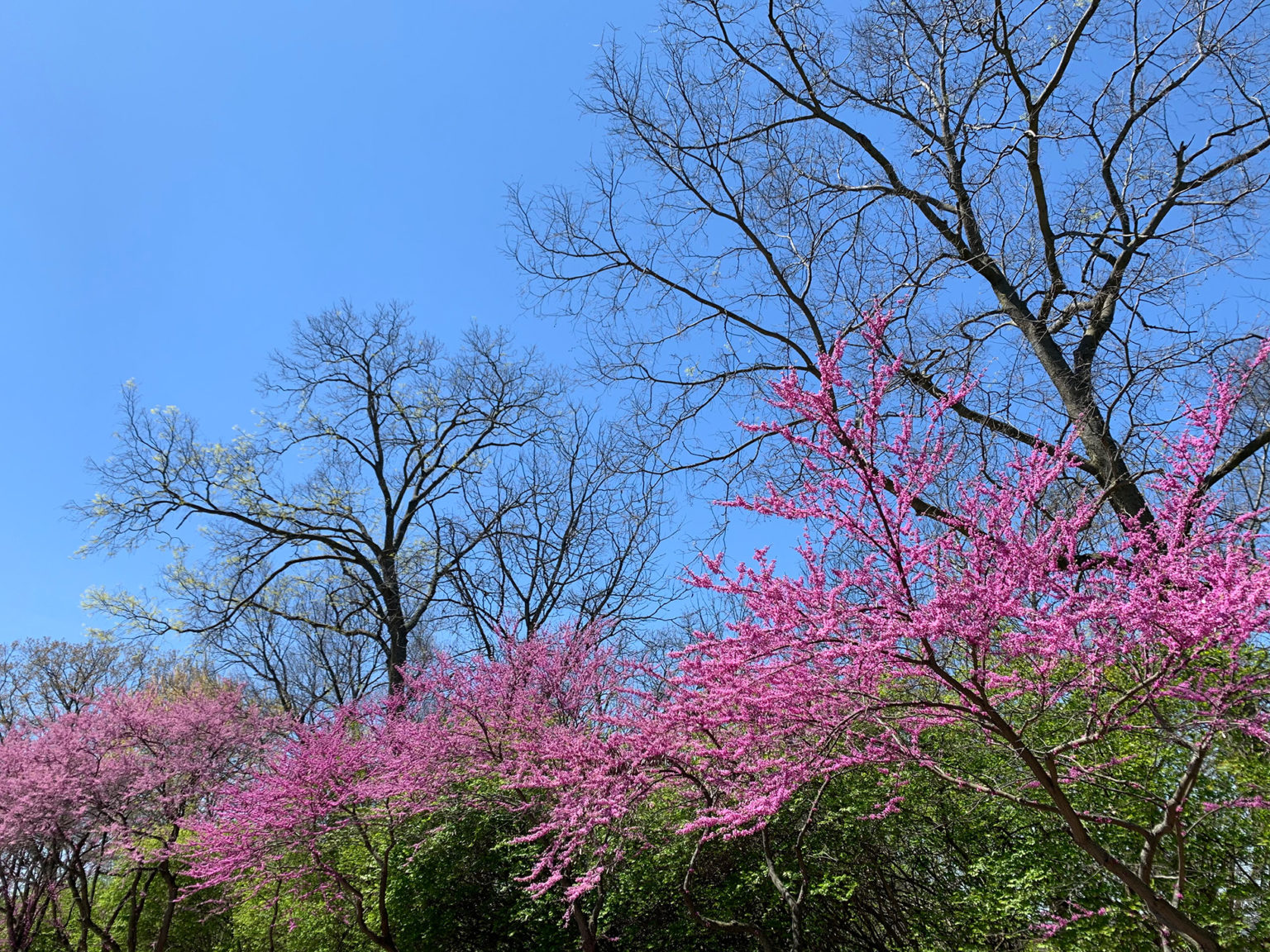
Local Weather April was cold and snowy in Wyoming with a whisper of spring. Due to a family emergency, I spent the month in the Midwest. I traveled to Ohio when my mother broke her back. April in Ohio contrasts greatly with the winter landscape of Wyoming. The month started with green grass and flowering trees: Magnolias, Pear, Redbud, Maple and … [Read more...] about April Nature News: Transition to spring!
March Nature News: Songbirds return offering rays of hope to Jackson Hole
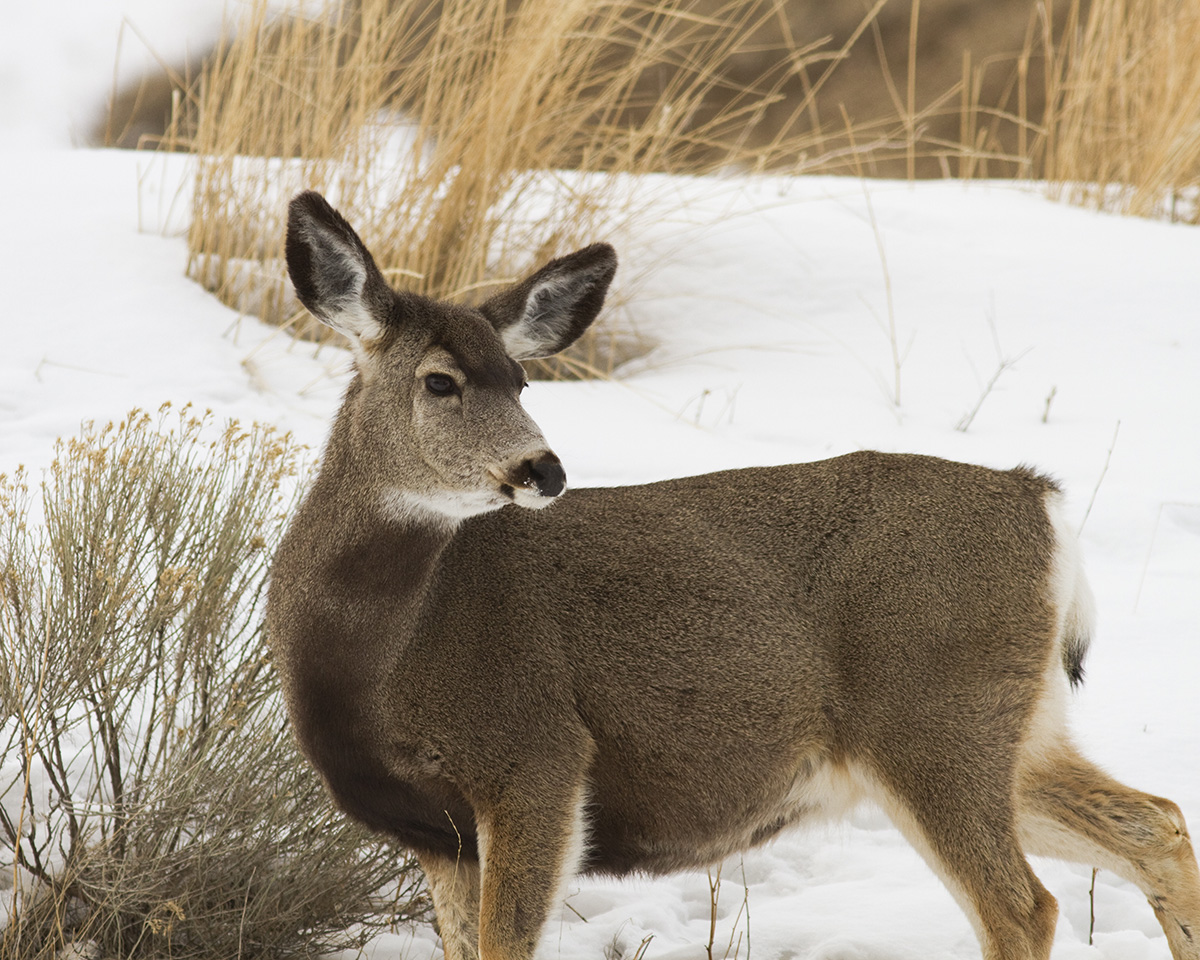
Local Climate March began sunny and blue and the familiar song of the Cassin's Finch filled the air once again. The start of Spring brought bears out of hibernation and the return of many birds to nest and breed: Red-Winged Blackbirds, Red Tail Hawks, Great Blue Herons, Robins, Cassin's Finch and Juncos, just to name a few. I spotted a neighborhood … [Read more...] about March Nature News: Songbirds return offering rays of hope to Jackson Hole
February Nature News: The Whisper of Spring and the Roar of Mountain Lions
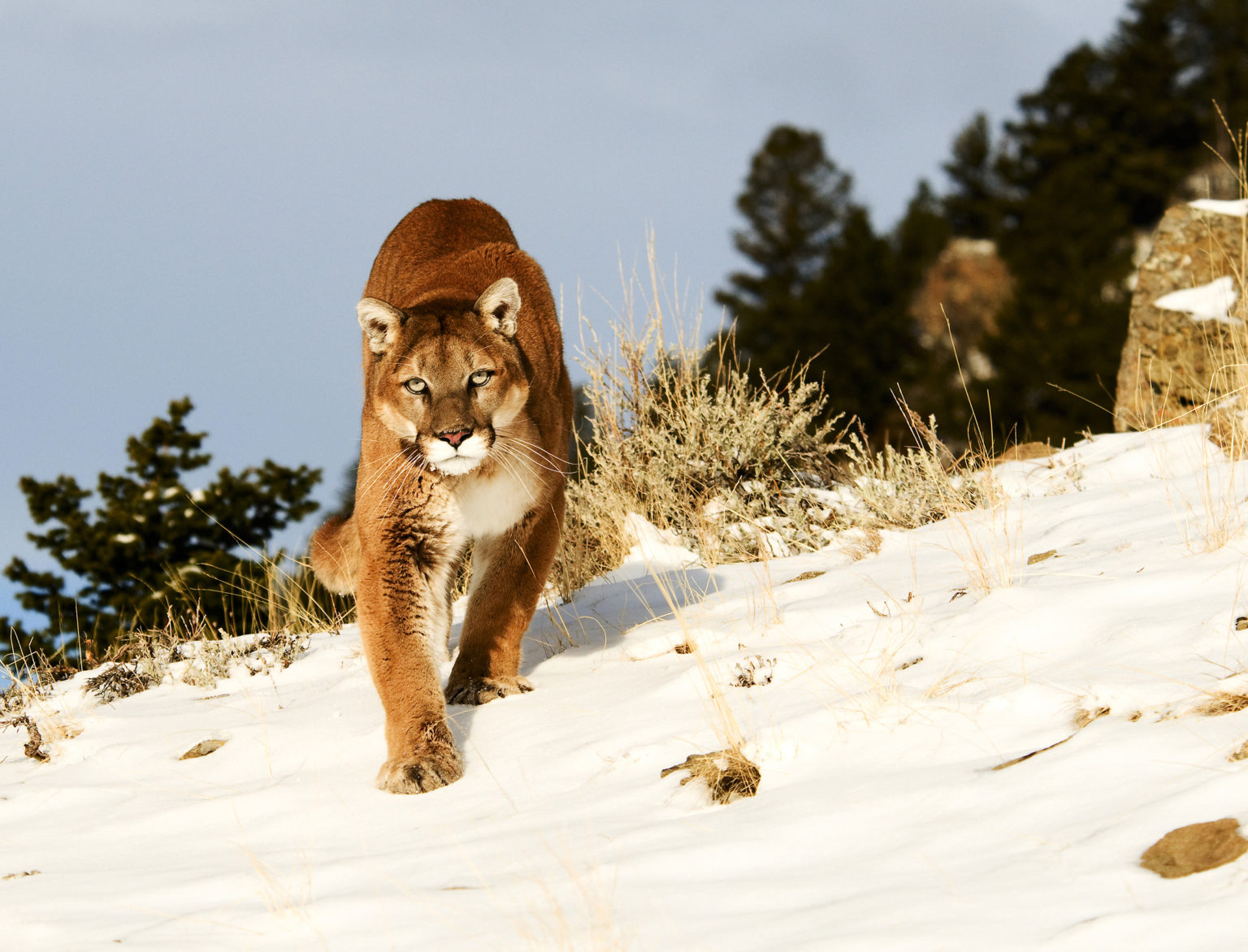
Local Climate February had its mix of sun and snow, but by mid-month we had already reached a snowfall depth of 400 inches, which is the annual average snowfall at 9,000 feet. The white landscape, deep snow, and frigid mornings gave the valley a wintry feel. As the month ended, the sun's warmth whispered spring and that changes will come. Local … [Read more...] about February Nature News: The Whisper of Spring and the Roar of Mountain Lions